Pellets vs powder: when ready‑to‑fill pellets make sense
PERAMERA · 3 November 2026
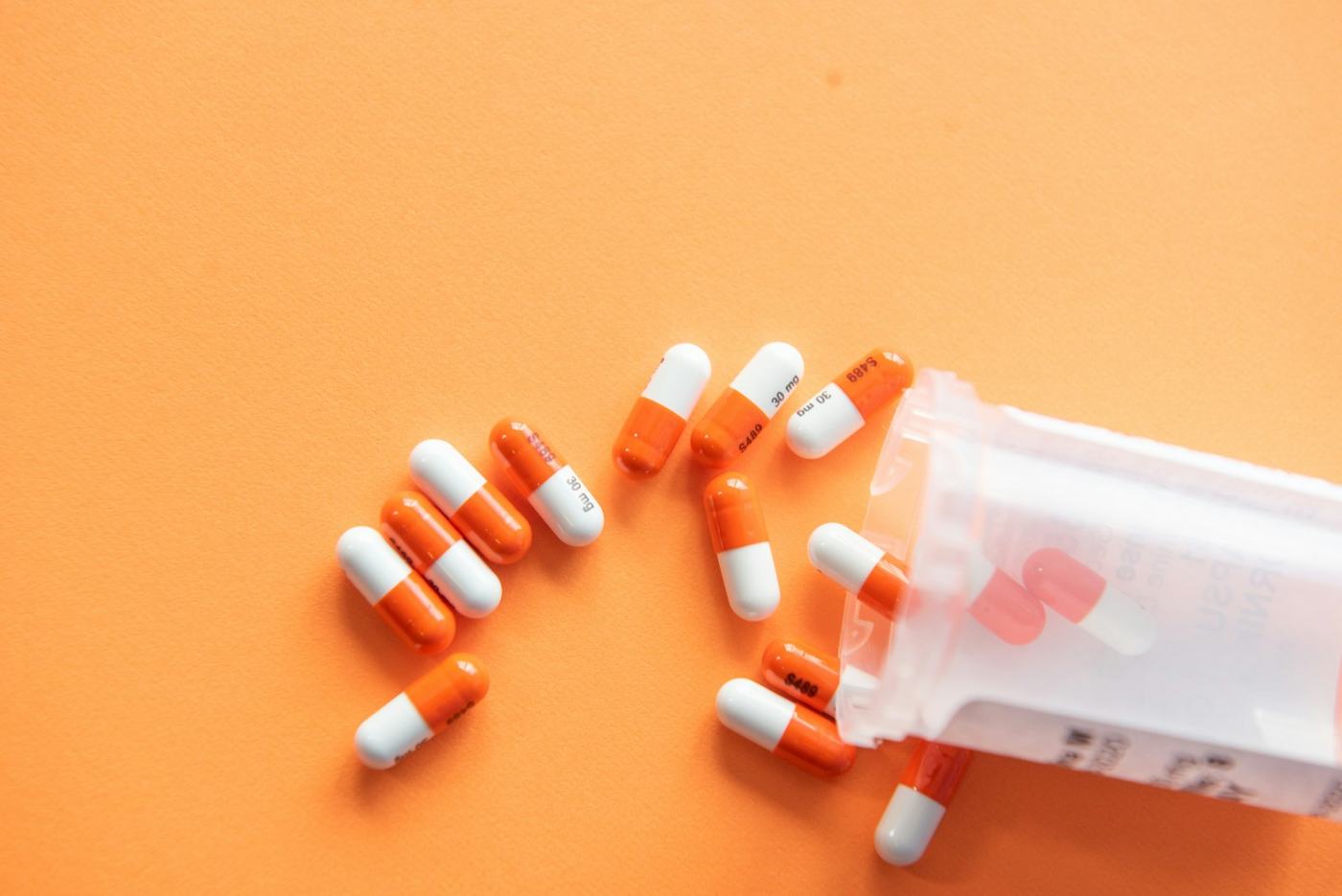
Many capsule products, such as proton‑pump inhibitors, contain small coated pellets rather than plain powder. You can make those pellets yourself from the API, or buy them ready to fill. Here is how to decide.
What pellets are
Pellets are small spherical particles, usually under 2 mm, that carry the active ingredient. They are often coated, for example with an enteric coating that protects acid‑sensitive molecules such as omeprazole or esomeprazole until they reach the intestine, or with a modified‑release coating that controls how quickly the drug is released.
Making pellets in‑house
Starting from API powder gives you full control, but it requires extrusion and spheronisation or layering equipment, coating equipment, process development, validation and stability work. It is a good fit for manufacturers who already run pellet lines at scale.
Buying ready‑to‑fill pellets
Ready‑to‑fill pellets arrive with the coating and release profile already built in. Your line only needs to fill capsules and pack them. This can shorten development, reduce capital spending and free up equipment. Many manufacturers use purchased pellets to launch quickly and decide later whether to bring the process in‑house.
What to specify when you ask for a quote
- The molecule and strength, for example Esomeprazole pellets 22.5%
- Release profile (enteric, delayed or extended release)
- Target fill weight and capsule size
- Quantity and delivery schedule
- Documents your registration needs
Pellets PERAMERA supplies
Dabigatran, Dexlansoprazole, Diltiazem HCl, Duloxetine, Esomeprazole and Esomeprazole Magnesium, Itraconazole, Ketoprofen, Lansoprazole 8.5%, Omeprazole, Orlistat 50% and Pantoprazole pellets. See the full pellets list or request samples.